


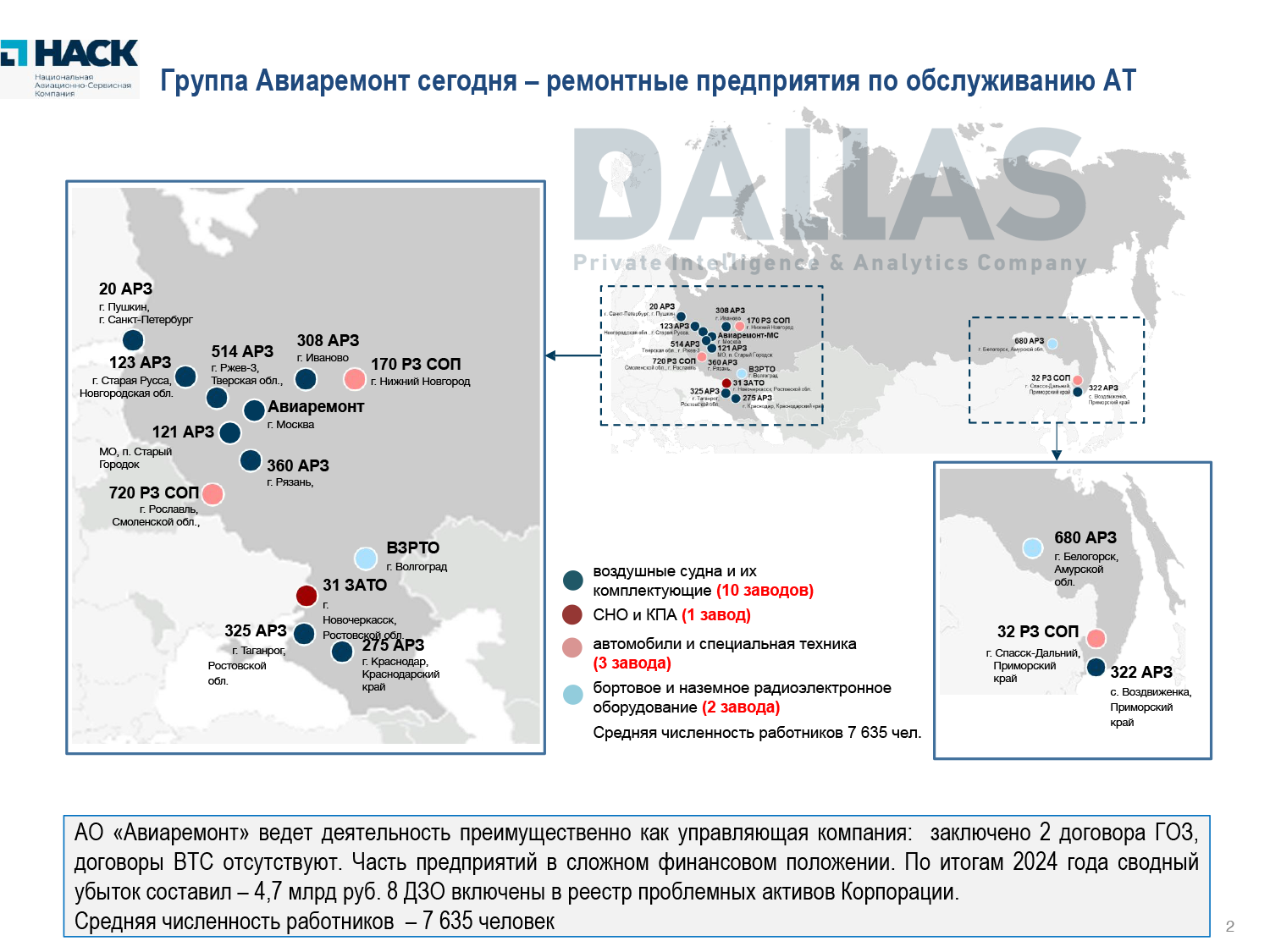
Behind every Russian military aircraft that takes off — and every one that needs to fly again — stands a single state enterprise: Aviaremont JSC, Russia’s primary military aircraft maintenance and repair conglomerate operating under the Rostec state corporation and its subsidiary United Aircraft Corporation. Aviaremont is central to keeping the Russian Aerospace Forces’ (VKS) entire military aviation fleet operational and combat ready, yet its own documents describe an industry facing a deep crisis.
A Fleet With No Future
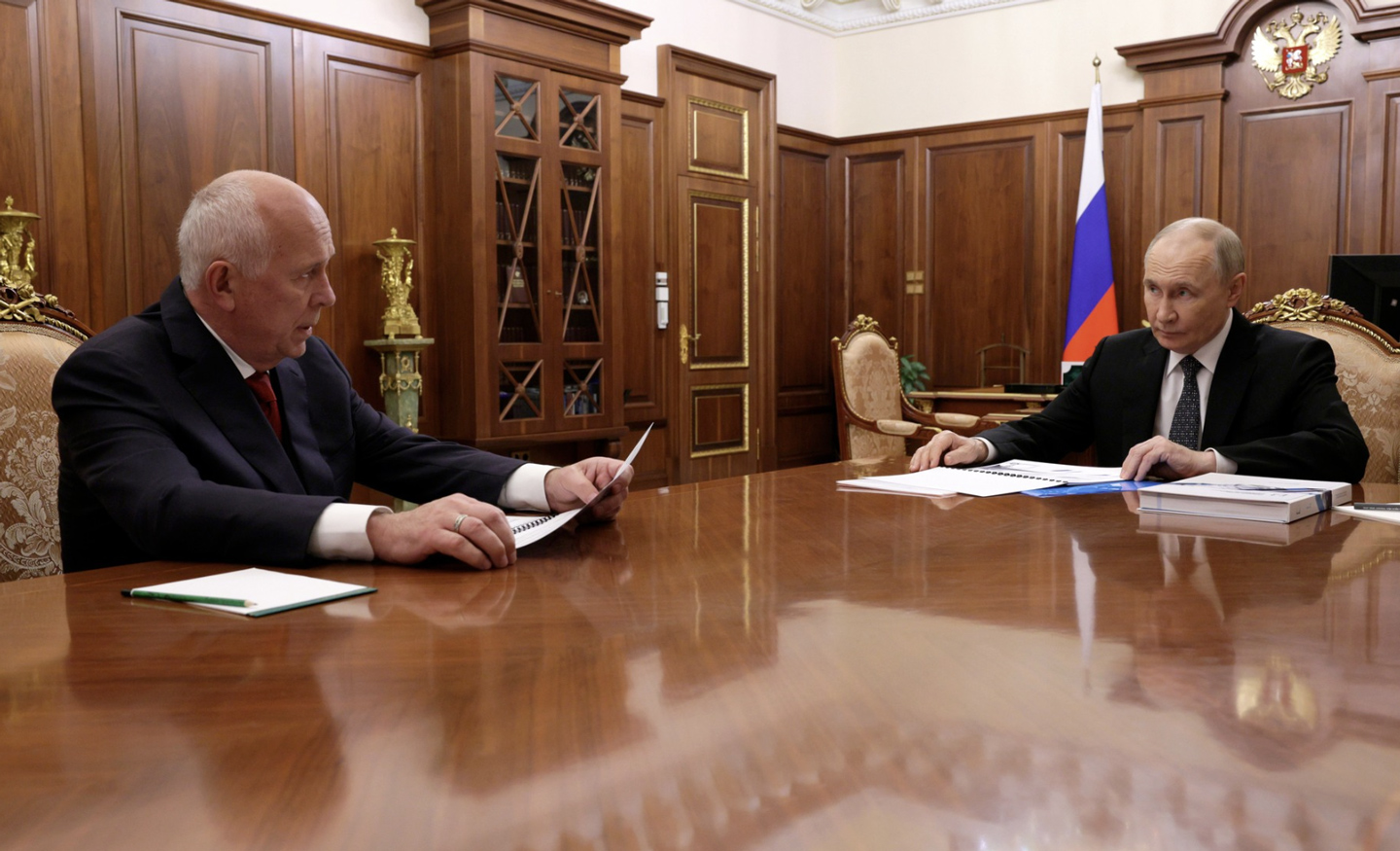
Documents obtained by Dallas — including materials dated as recently as December 2025 — point to an industry in accelerating decline, most clearly seen in the deteriorating operational record of the Kyiv-designed Antonov An-series: Soviet-era aircraft that Russia can no longer produce, replace, or maintain without access to the Ukrainian supply chains Western sanctions have systematically targeted. The roots of that dependency run back over a decade.When Russia illegally annexed Crimea in 2014, its entire Antonov cooperation framework collapsed overnight. Moscow lost access to Ukrainian design expertise, spare parts, and the production chain simultaneously. Since 2016, not a single new Antonov aircraft has been produced anywhere — leaving Russia with an ageing aircraft pool it can barely operate, but never replace.
A Pattern of Catastrophe
The costs were already becoming evident. In December 2025, a Russian An-22 — most capable Russian strategic military aircraft — broke apart mid-air and plunged into a reservoir in the Ivanovo region during a test flight following scheduled repairs, killing all seven crew members on board. Russia’s Investigative Committee opened a criminal case into possible violations of flight preparation rules. The crash occurred in the same city — Ivanovo — that houses 308 ARZ (308 Aviaremontny Zavod), the primary facility responsible for An-series overhaul. The plant was quick to deny involvement, stating the aircraft had last passed through its workshops in 2007.
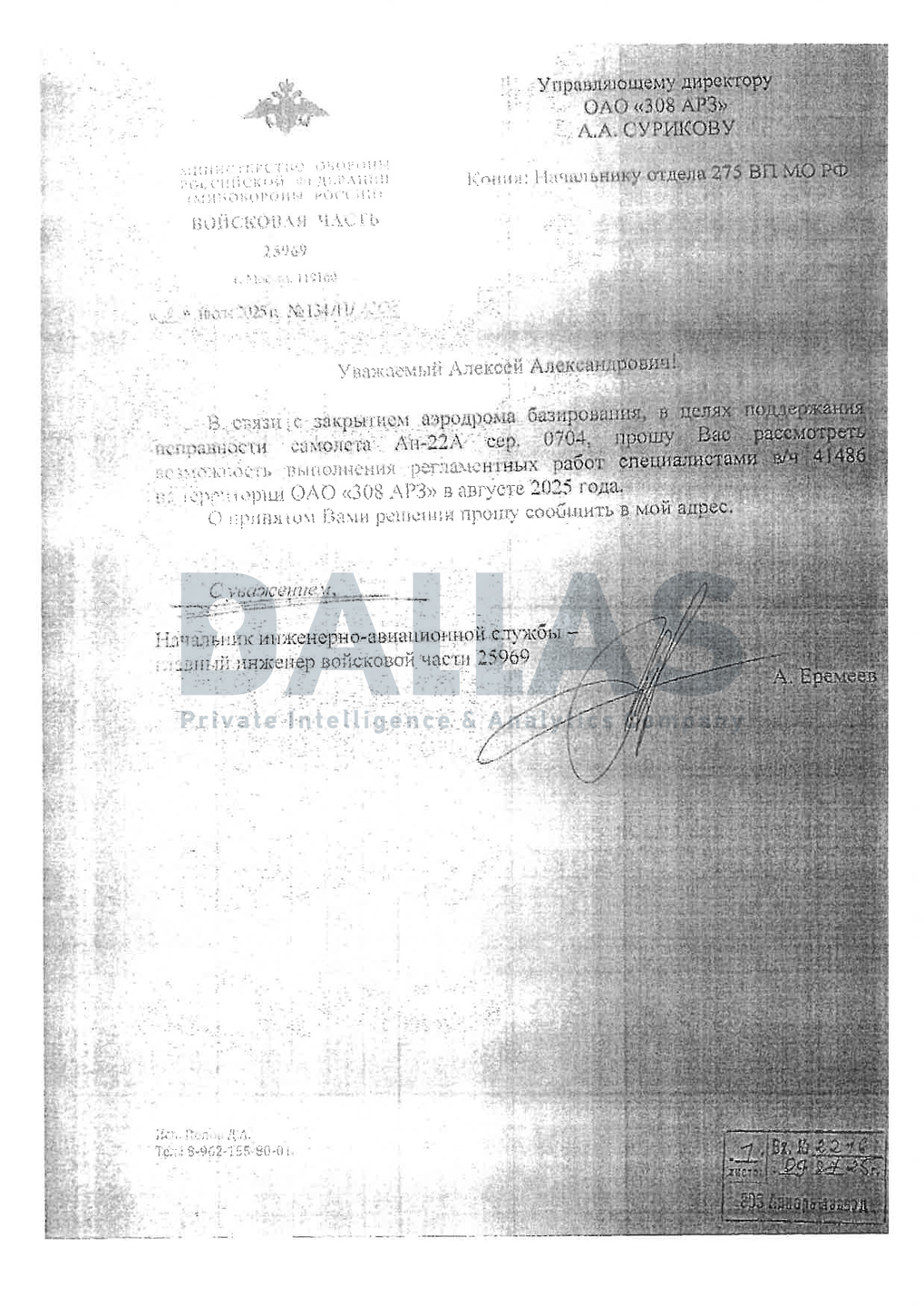
That claim does not hold up. Dallas has obtained a document showing that 308 ARZ actually conducted repair work on this specific aircraft as recently as August 2025 — just four months before it fell out of the sky.
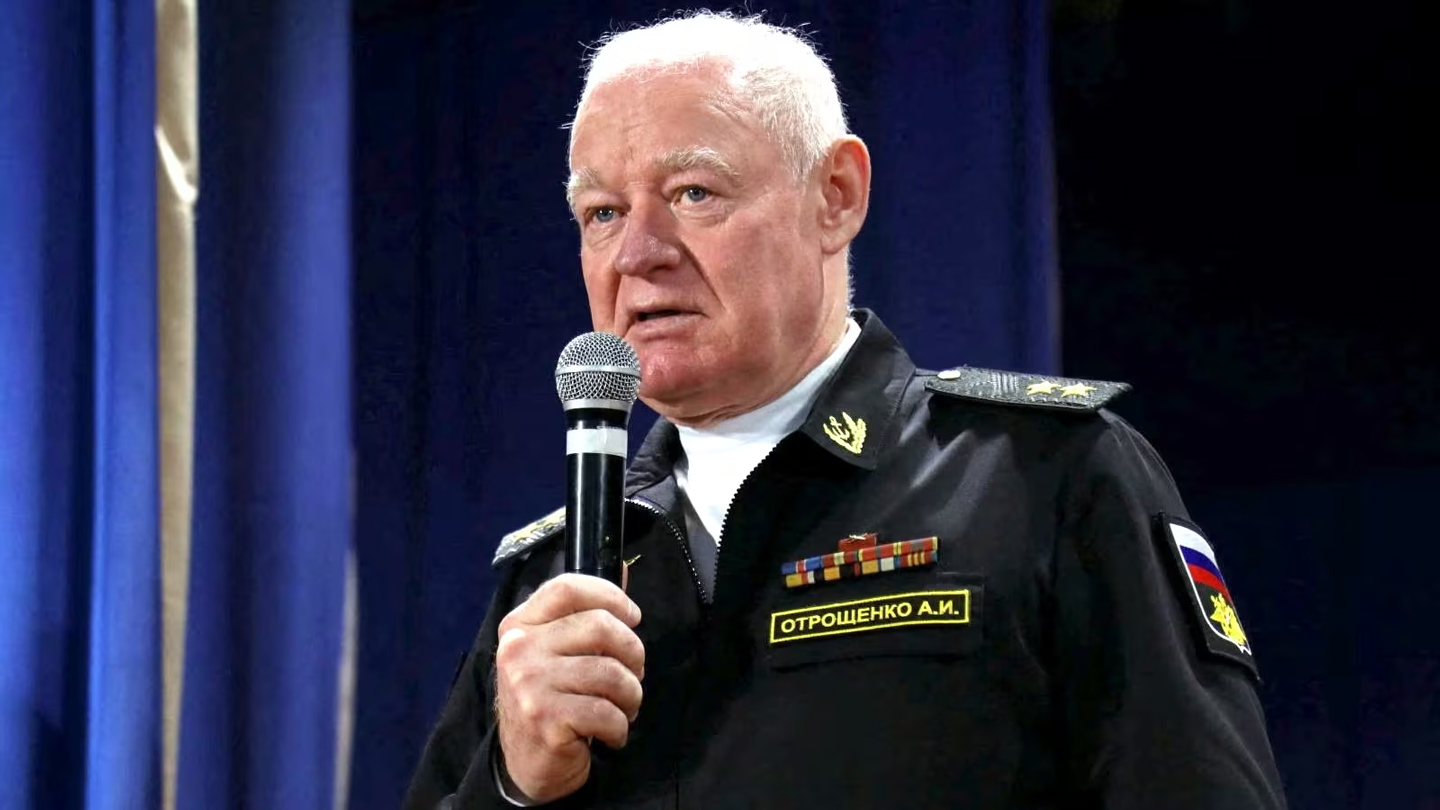
That incident received little public attention. The next one was harder to ignore. On 31 March 2026, a military An-26 transport went down during a routine flight over Crimea, killing all 29 people on board — among them Lieutenant General Aleksandr Otroshchenko, Commander of the Mixed Aviation Corps of the Northern Fleet and one of Russia’s most decorated military aviators. “There was no external impact on the aircraft. The preliminary cause of the crash is a technical malfunction,” the Russian Ministry of Defense said in the official statement.
The internal documents Dallas obtained suggest that technical malfunction is not an isolated misfortune but the foreseeable outcome of a maintenance infrastructure that Russia’s own officials have privately acknowledged is no longer fit for purpose — hollowed out by the war with Ukraine, targeted by Western sanctions, and mismanaged by a leadership chain that runs directly to the Kremlin.
The Paper Trail
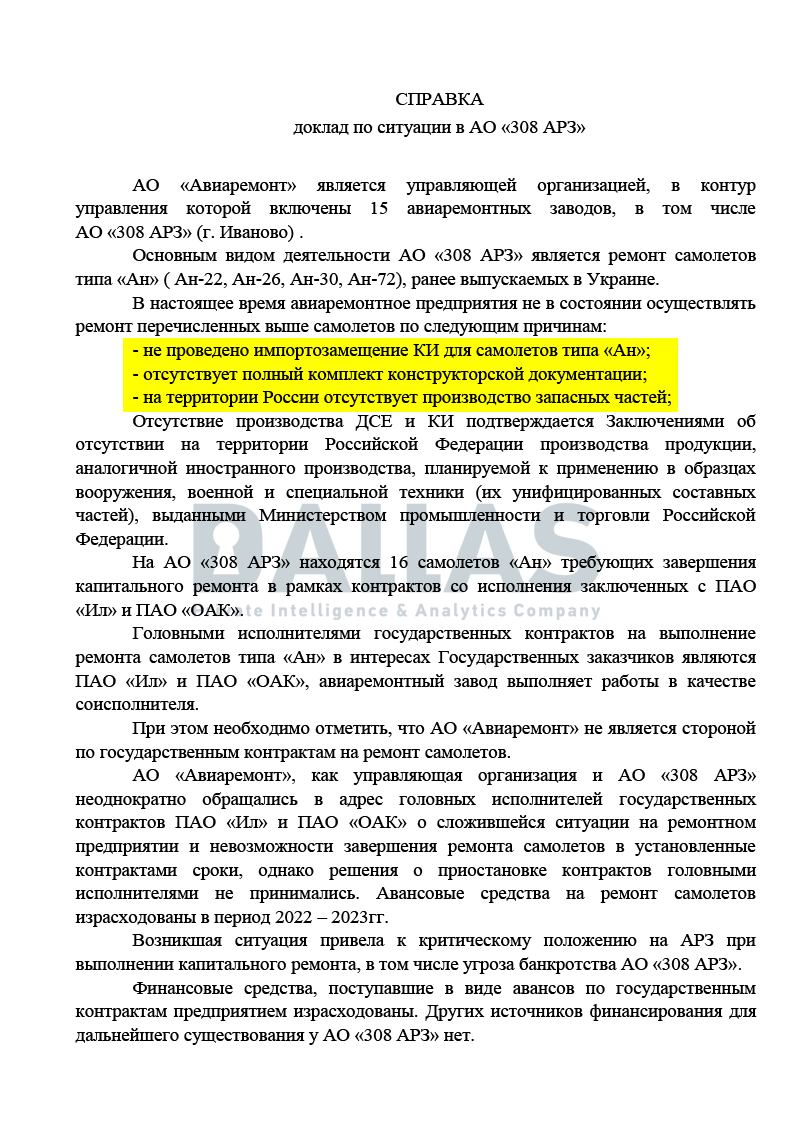
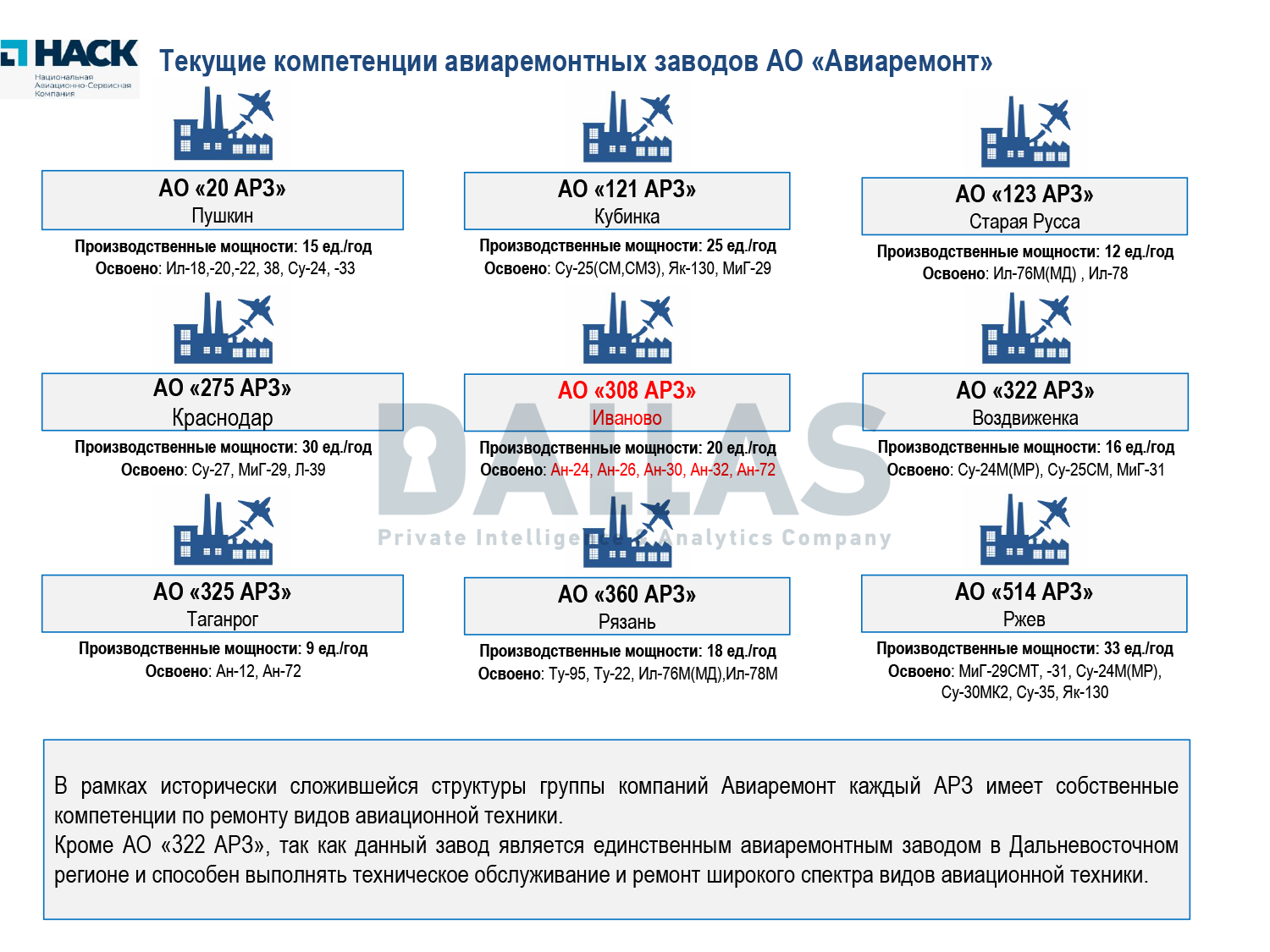
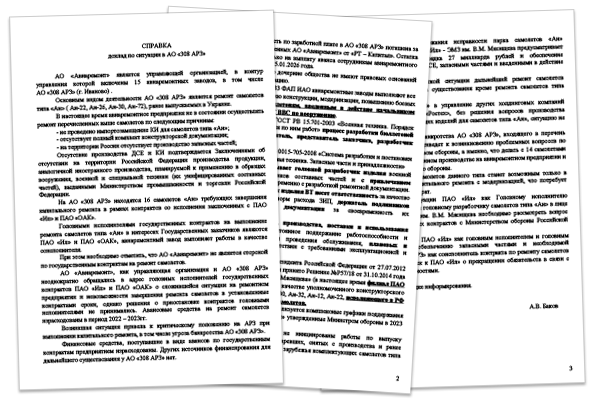
Among the Aviaremont documents Dallas reviewed is a frank report submitted by Director General Albert Bakov to Rostec head Sergei Chemezov himself. Titled “Report for SVC 30.12.2025” — SVC being Chemezov’s initials in Russian — the document concerns the operational state of 308 ARZ, Aviaremont’s wholly-owned subsidiary in Ivanovo and Russia’s primary repair facility for the Antonov An-series (An-22, An-26, An-30, and An-72).
Writing at the end of December 2025, Bakov states plainly that 308 ARZ is unable to carry out repairs on An-series aircraft for the following reasons:
- no import substitution has been implemented for key components;
- a complete set of design documentation is lacking;
- there is no domestic production of spare parts within Russia.
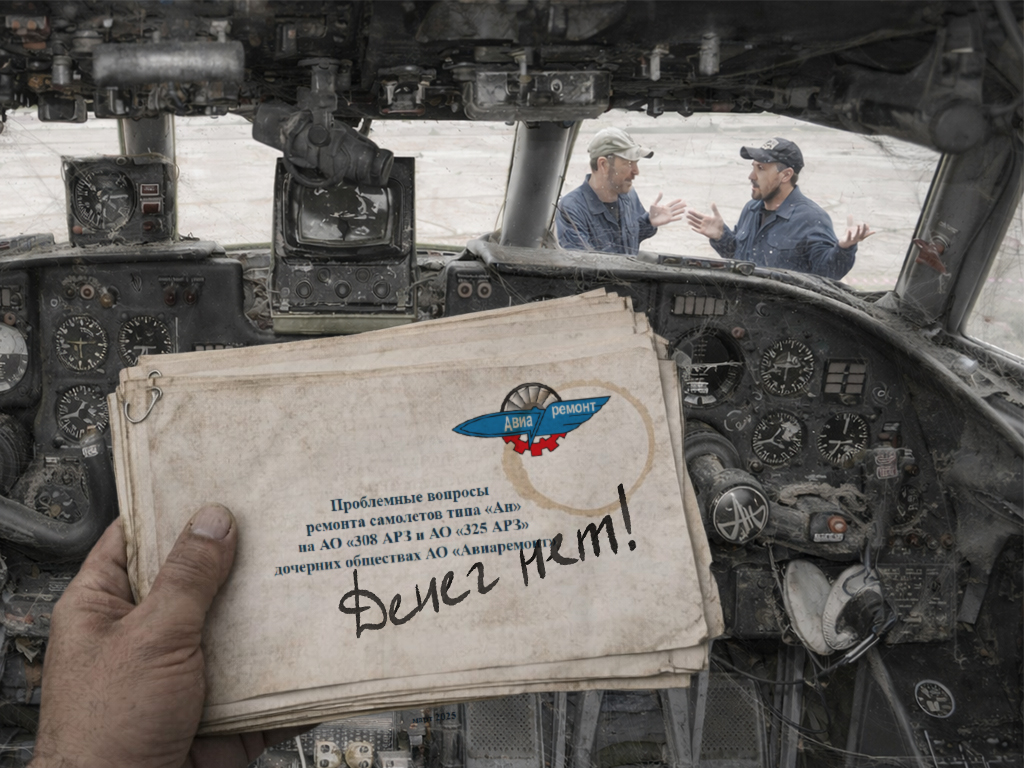
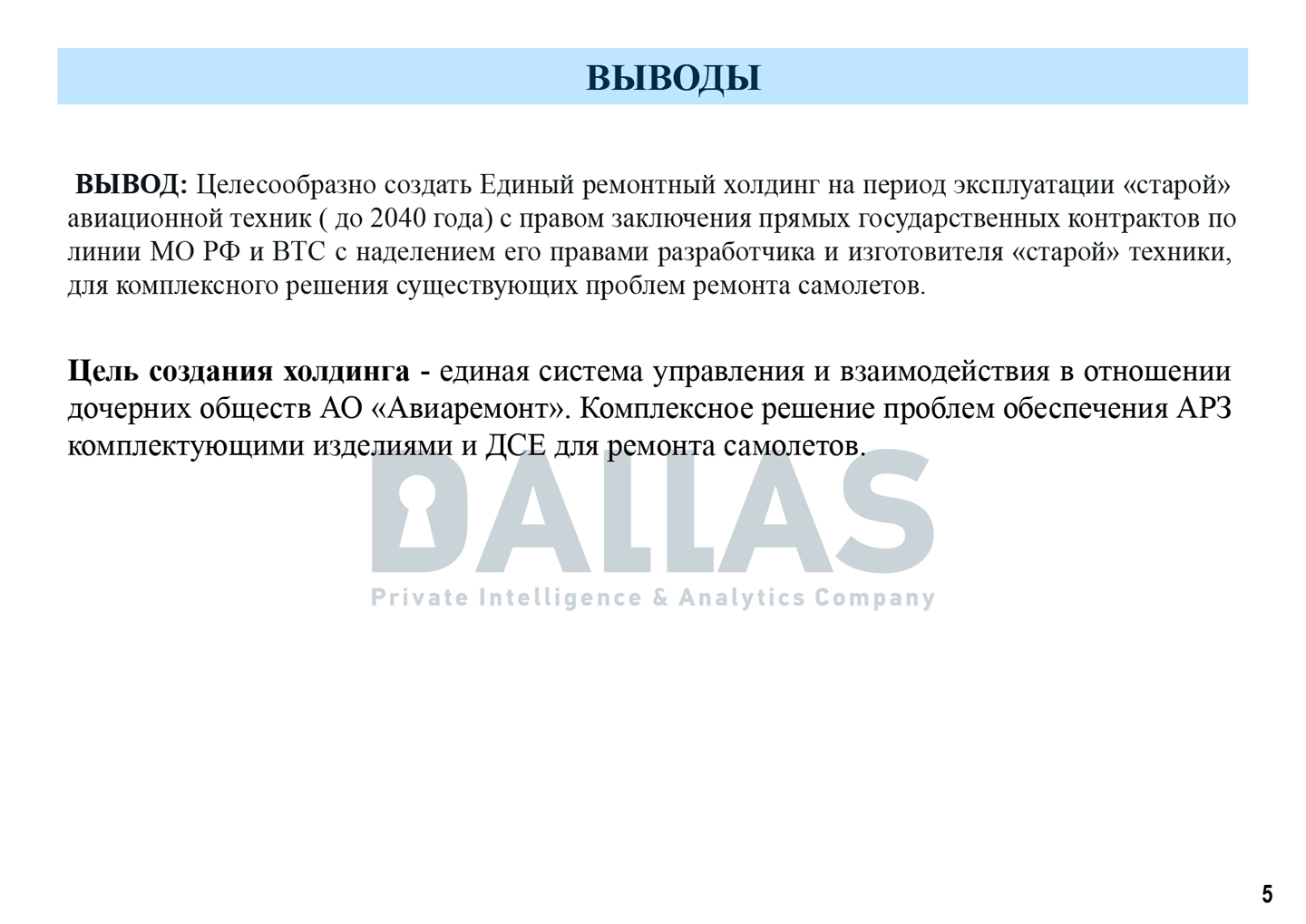
He further notes that the Ministry of Defence has failed to implement the comprehensive maintenance schedules for the An-series fleet approved by the Minister of Defence in 2023. A new programme to address the shortfall, currently in development at the V. M. Myasishchev Experimental Machine-Building Plant, envisages the start of funding — approximately $300 million — only from 2029.
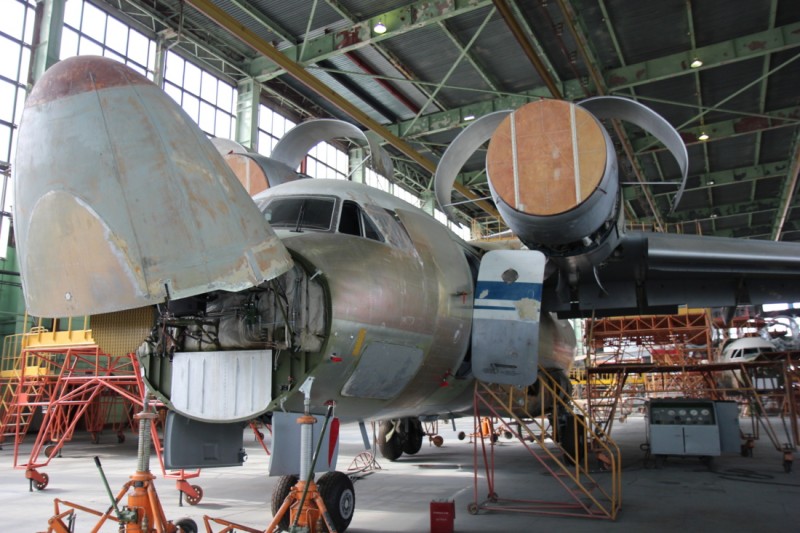
In the interim, 14 aircraft at 308 ARZ are undergoing major overhaul under the state defence order. The advance payments received under government contracts have already been spent in full. According to Bakov’s report, it is no longer possible to continue the repairs. 308 ARZ has no alternative source of revenue and faces the threat of bankruptcy — a remarkable admission from a facility of strategic importance. In a functioning defence establishment, this would trigger emergency intervention. In Rostec’s Russia, it triggered a loan.
Outstanding wage arrears were settled using funds borrowed from RT-Capital, a Rostec subsidiary specialising in the management and disposal of distressed assets. The remaining funds were sufficient to pay employee advances as of 25 January 2026.
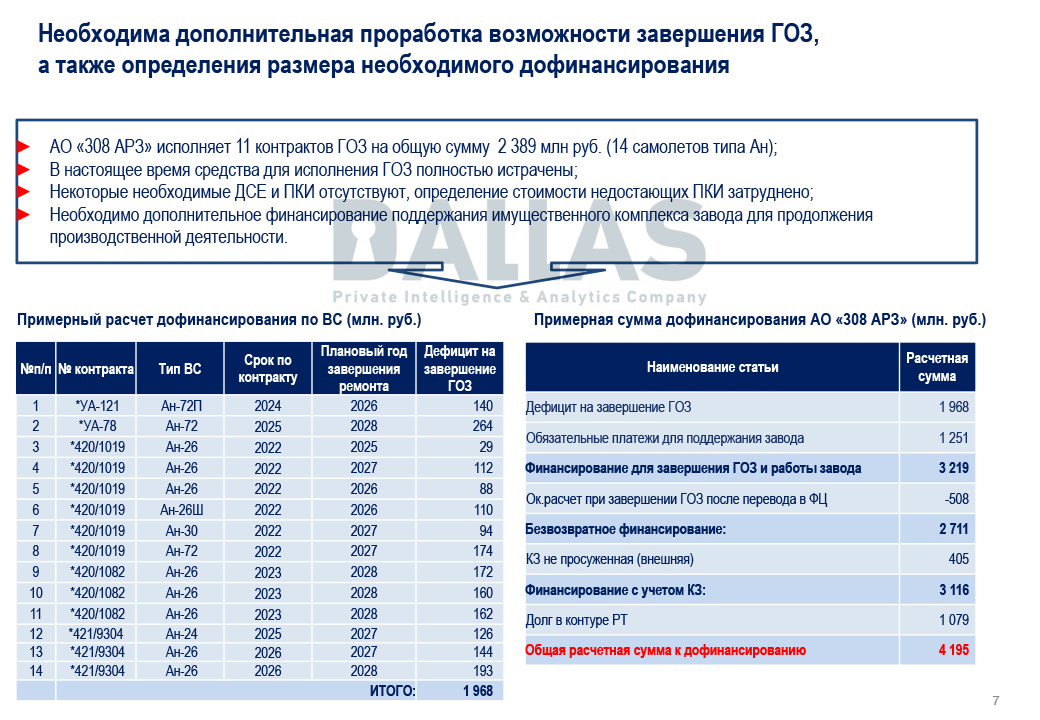
Source: Documents from 308 ARZ for consideration by the National Aviation Service Company’s Problem Assets Commission
No Parts, No Plans, No Timeline

The choice of person entrusted by Rostec to run Aviaremont is revealing in itself. Albert Bakov took charge of this strategic asset in October 2022 — with no relevant aviation background whatsoever. By training he is an economist specialising in Japan, a graduate of the Institute of Asian and African Studies at Moscow State University. Before arriving at Aviaremont, he served successively as head of the Tractor Plants Concern, Kurganmashzavod, and JSC Central Research Institute for Precision Machine Building (TsNIITochmash) — defence enterprises that had nothing to do with aviation, yet each of which faced acute financial difficulties under his tenure. The logic of his appointment is explained not by his track record, but by personal connections: Bakov is the son-in-law of Nikita Mikhalkov — the filmmaker who sits in the innermost circle of the Kremlin — and a close associate of Rostec Deputy Director General Igor Zavyalov.
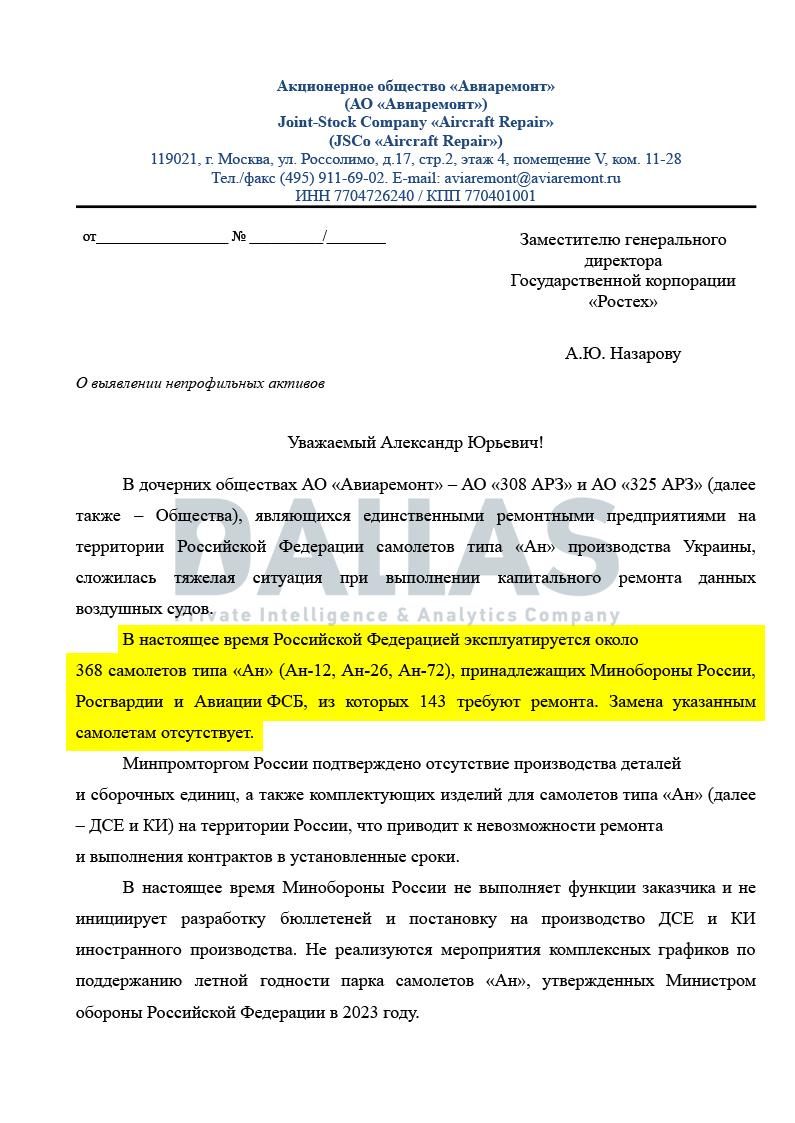
The scale of the aircraft repair problem extends far beyond a single plant. A second internal document — a letter sent by Bakov to Rostec Deputy Director General Aleksandr Nazarov in August 2025 — discloses that Russia currently operates approximately 368 An-series aircraft (An-12, An-26, An-72) belonging to the Ministry of Defence, the National Guard, and the FSB Aviation branch, of which 143 require repairs. The Ministry of Industry and Trade has formally confirmed to Aviaremont the absence of domestic production of parts, assemblies, and components for An-series aircraft — making it impossible to fulfil repair contracts within established time frames.
A third Aviaremont document, dated May 2025, is the most direct of all: unless urgent measures are taken, it states, it will be impossible to repair An-type aircraft within 18 to 24 months — and their operation will cease entirely.
The Clock Is Running Out
Taken together, the documents obtained by Dallas leave little room for interpretation. Russia operates 368 military An-series aircraft — irreplaceable, increasingly unserviceable, and dependent on a repair facility that its own Director General has privately declared insolvent. The number of crashes involving An-type aircraft is set to rise dramatically, according to a forecast by Russian aviation experts cited in an official report among the documents.
The risks extend beyond military aviation. The civilian population of Siberia and Russia’s Far East — where An-26 and An-24 aircraft remain the primary means of air transport for remote communities — faces the same deteriorating fleet and the same absent maintenance infrastructure. For them, as for the 29 people aboard the flight over Crimea on 31 March, the question is not whether technical malfunctions become routine — but how many more will be required before Russia is forced to confront a crisis its own officials have already documented in full.
The aviation sector offers something rare in the sanctions debate: verifiable, physical evidence that Western pressure is working. Unlike financial metrics that Moscow can manipulate or obscure, aircraft either fly or they do not. Ukraine’s Foreign Intelligence Service forecasts the country will lose nearly half its civilian fleet by 2030. The critical caveat, however, is consistency. Russia has demonstrated a persistent capacity to circumvent sanctions through third-country intermediaries, and gaps in enforcement across Western jurisdictions continue to blunt the cumulative effect. The lesson of the An-series collapse is not that sanctions alone end wars — but that when they are designed precisely, maintained resolutely, and synchronised across allied jurisdictions, they change the arithmetic of a war that Russia’s own leadership have privately acknowledged can no longer be sustained.
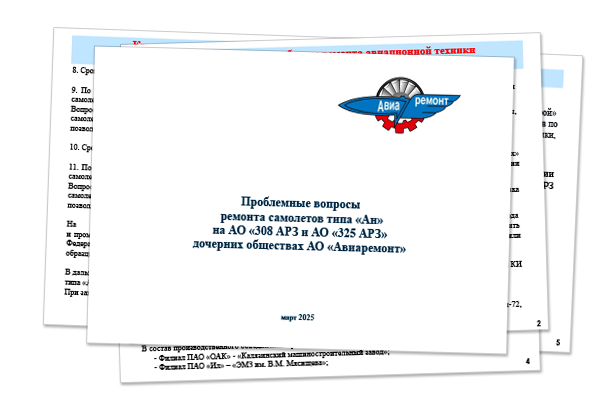
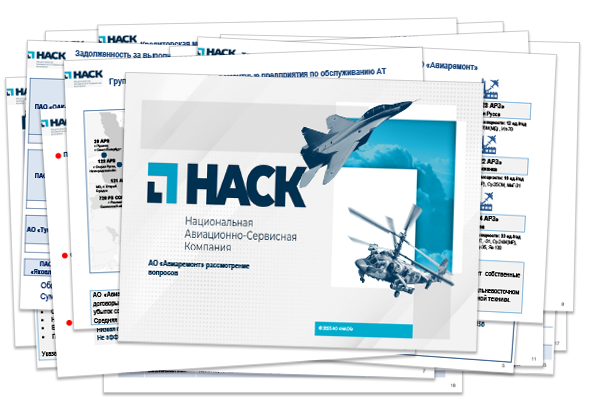
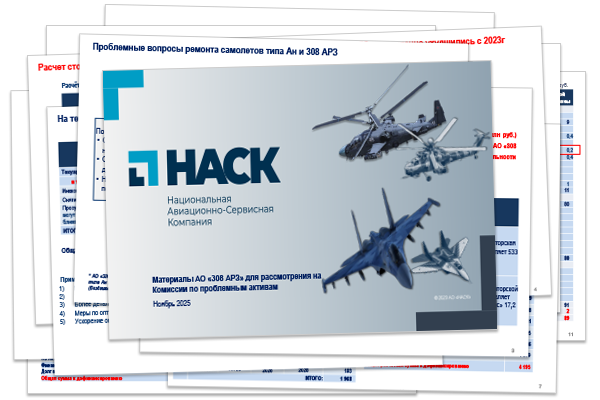
Documents referenced in the article are available upon request. Media representatives and analysts interested in reviewing the full materials are welcome to contact us via the Dallas website or our official social media channels.